
By Dr Say Tian Ling is a medical doctor at DA Orchard MedSuites
There’s a persistent myth that muscle loss with age is simply inevitable – something to be managed, not addressed. But research increasingly treats loss of muscle mass and strength, known clinically as sarcopenia, as something that can be identified early and meaningfully slowed, not just accepted.
“A person can be a completely ‘normal’ weight and still be losing significant muscle mass and strength – a pattern sometimes called ‘skinny fat.'”
– Dr Say
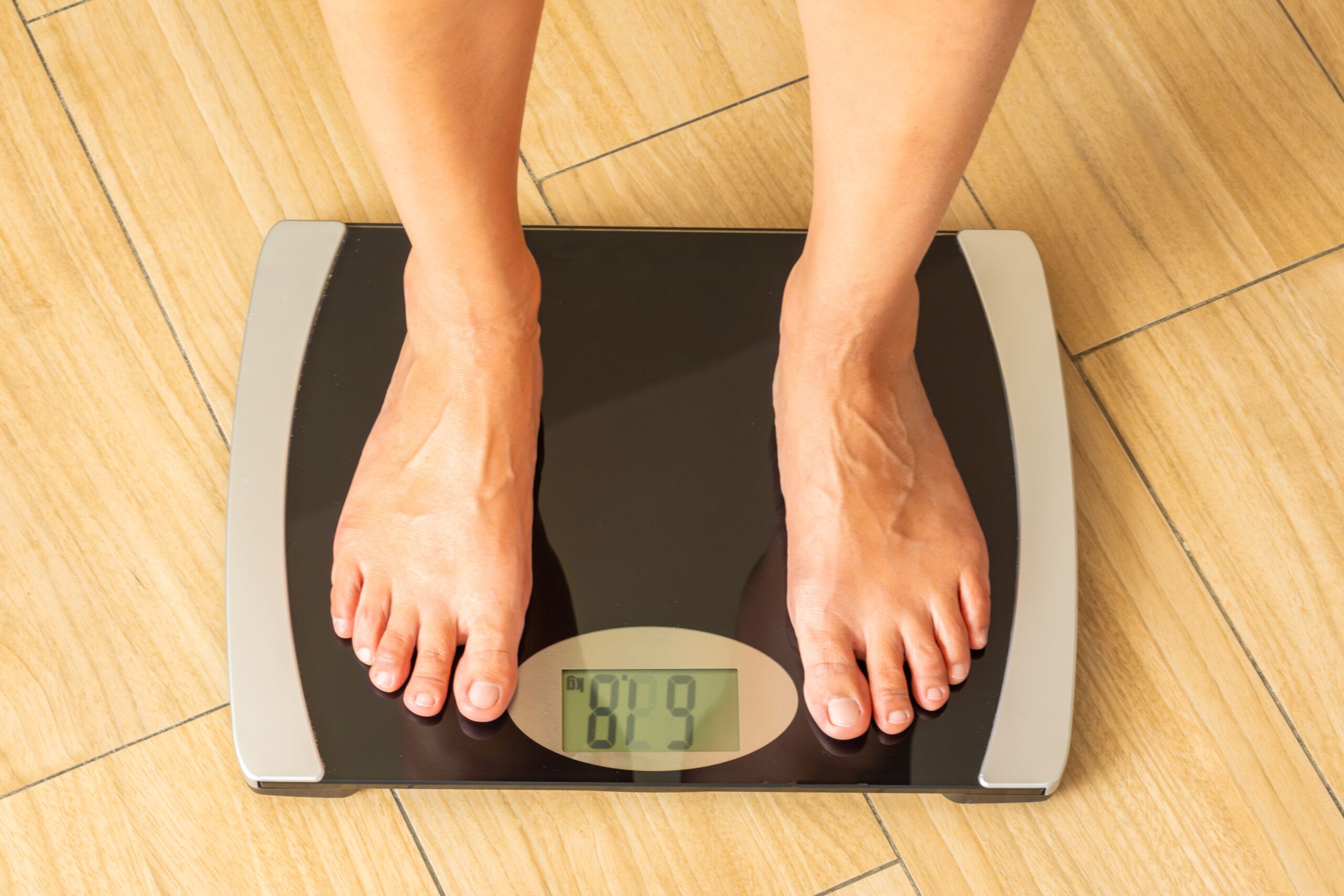
Weight and BMI are poor proxies for this. A person can be a completely “normal” weight and still be losing significant muscle mass and strength – a pattern sometimes called “skinny fat” – while someone heavier may have more muscle and better function. This is why body composition testing (such as DEXA scanning) and functional strength measures like grip strength are used clinically instead of the scale: they separate fat mass from lean mass and reveal what weight alone hides.

Grip strength in particular has become a marker of interest well beyond hand function. Multiple large studies have linked it to broader outcomes, including disability, hospitalisation risk, and all-cause mortality – making it, perhaps surprisingly, one of the simplest and most predictive tests in a doctor’s toolkit. Data from long-running cohort studies show measurable declines in both muscle mass and grip strength beginning as early as a person’s 40s, accelerating notably after age 50, with research suggesting as much as 15% of muscle mass lost per decade in later life for those affected.
“This is one of the more modifiable indicators of biological ageing – the earlier it’s picked up, the more room there typically is to act on it.”
– Dr Say
The reassuring part: this is one of the more modifiable indicators of biological ageing. Resistance training, adequate protein intake, and in some cases targeted nutritional support have all been shown in clinical research to meaningfully improve muscle mass, strength, or both – even in adults already showing signs of age-related muscle loss. The earlier this is picked up, the more room there typically is to act on it.
DA Orchard MedSuites offers Bonsai, a longevity screen covering seven key indicators of biological ageing – including Body Composition – in one comprehensive visit. Book your screen today at DA Orchard MedSuites here.

