Understanding your biological age and key indicators of how your body is ageing gives you and your doctor the clearest picture of where you stand today — and what lifestyle changes can support healthier ageing. Learn more about Bonsai →


BY Dr Andrea Ang, Medical Doctor, Doctor Anywhere.
Most people think of fitness as how they look, or how far they can run without stopping. But there’s a single measurement that doctors and exercise scientists increasingly treat as one of the strongest predictors of how long – and how well – someone will live: VO₂ max. In plain terms, it measures how much oxygen your body can put to work when it matters most.
“VO₂ max doesn’t just describe fitness in the gym sense – it describes how well your body’s core systems are ageing.”
– Dr Ang
It’s a common misconception that being active automatically means being fit in this sense. Someone can go to the gym regularly, eat well, and still have surprisingly low cardiorespiratory fitness – because VO₂ max reflects how efficiently the heart, lungs, blood, and muscles work together under real physical demand, not just whether you move often. A 2024 umbrella review in the British Journal of Sports Medicine, pooling data from 199 cohort studies and more than 20.9 million observations, confirmed that cardiorespiratory fitness is a strong and consistent predictor of death from any cause, as well as cardiovascular disease and several cancers – a conclusion the sheer scale of pooled data makes hard to dismiss as coincidence.
What makes VO₂ max distinctive as an indicator of biological age is that it doesn’t just describe fitness in the gym sense – it describes how well your body’s core systems are ageing. Earlier population studies, including a widely cited 2018 analysis of over 122,000 adults published in JAMA Network Open, found that people with the lowest fitness levels had up to five times the mortality risk of the fittest group over the following years – a gap larger than the difference smoking or high blood pressure made in the same population.
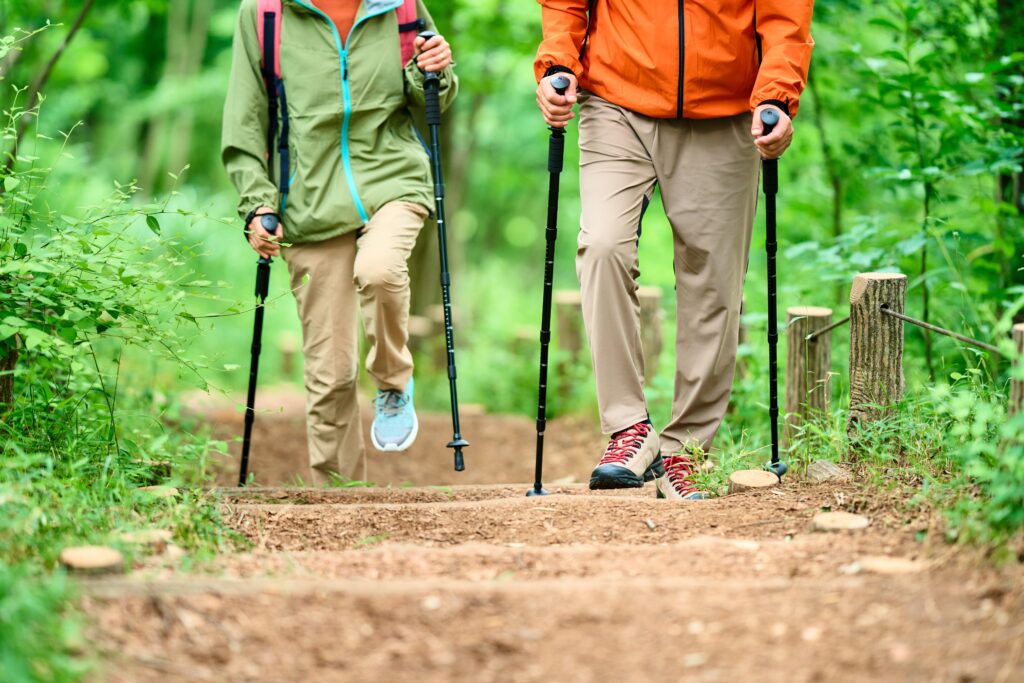
It’s also a number that quietly declines with age, typically dropping around 10% per decade from one’s 30s onward in people who don’t train to maintain it, often without any obvious symptom until stamina for everyday activities – climbing stairs, carrying groceries, keeping pace on a walk – starts to noticeably change. That’s part of why it’s hard to self-assess: most people don’t notice a slow decline until it’s already progressed.
“Most people don’t notice stamina declining until it’s already progressed – that’s exactly why it’s worth measuring, not guessing.”
– Dr Ang
The encouraging part is that VO₂ max remains trainable at almost any age. Research consistently shows that even older adults can meaningfully improve their cardiorespiratory fitness with structured aerobic training, and that doing so is linked to reduced frailty and better functional independence later in life. Unlike some ageing biomarkers, this is one people have real agency over.
DA Orchard MedSuites offers BONSAI, a longevity screen covering seven key indicators of biological ageing – including Stamina – in one comprehensive screen. Book your screen today at DA Orchard MedSuites here.